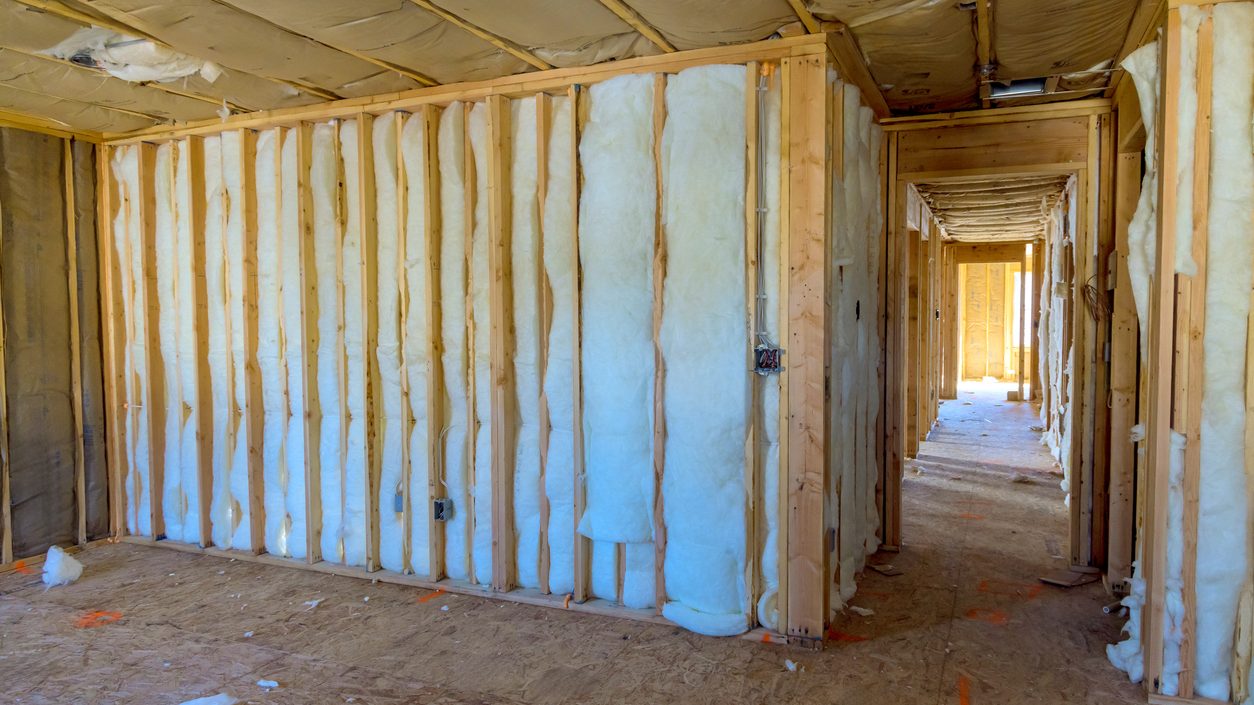
National cost indices still show building costs running about 42% above pre-pandemic levels: a margin problem serious enough to sink projects that were underwritten on very different assumptions. Yet the average energy model, run by the average consultant, answers exactly one question: does this design pass code? It says nothing about energy code compliance cost: whether the design you passed with is the cheapest one available, or whether you left real money on the table to get there.
Pass/Fail Isn't Enough When Margins Are This Thin
A traditional energy model works like a gate. You submit a design. The consultant runs the simulation. You get a pass or a fail. If you pass, everyone moves on. If you fail, you redesign and resubmit until you clear the bar.
At no point in that process does anyone ask the more useful question: was this the cheapest design that would have cleared the same bar? Higher-performance windows versus upgraded insulation. One HVAC configuration versus another. Two of those choices might both be code-compliant, and one of them might cost meaningfully less to build. A pass/fail model can't tell you which, because it was never built to compare alternatives. It was built to grade one submission.
Call that what it actually is: compliance theater. You get a stamp that says the building meets code. You don't get the information that tells you whether you paid more than you had to for that stamp.
Value engineering is supposed to be the fix for this, but by the time most VE reviews happen, the energy model has already been run and passed once. Reopening it to test a cheaper alternative means paying the consultant again, waiting again, and hoping the new combination still clears code. Most teams don't bother. They accept the first compliant answer because getting a second one costs almost as much as the first, in both time and consulting fees. That's not a design decision: it's a process limitation masquerading as one.
The Gap Between Compliant Designs Can Be Hundreds of Thousands of Dollars
Here's why that gap matters more now than it used to. When construction costs are running roughly 42% above pre-pandemic levels, the spread between two compliant design paths isn't a rounding error: it's a real swing in project economics.
On a 50-home subdivision, the difference between the cheapest compliant design path and the most expensive one can run $200,000 to $500,000 in building component costs alone: same code, same jurisdiction, same pass/fail outcome, wildly different price tags. Scale that up to a 200-unit multifamily project and the spread gets larger, not smaller. Every unit repeats whatever inefficiency got baked into the prototype.
That gap exists because nobody ran the comparison. The design team picked a window package, ran it through the model, saw a pass, and stopped looking. Nobody asked whether a different insulation strategy on the north wall would have hit the same performance target for less, because the tool they were using doesn't answer that question. It's not built to rank alternatives. It's built to grade one.
Think through the actual trade-off on a real spec sheet. Triple-pane windows with a lower U-factor will usually clear code on their own, but they carry a real material and labor premium at scale. Drop to a double-pane window and add a few extra points of continuous insulation on the exterior wall, and the building might hit the same performance target for meaningfully less: cheaper glass, more foam, same compliance result. Whether that trade actually pencils depends on your specific jurisdiction, orientation, and glazing ratio, which is exactly why it has to be modeled, not guessed. Most teams never run that comparison because running it twice, by hand, isn't worth the consulting fee.
Buildwiser Finds the Cheapest Compliant Path: Every Time
This is the actual gap Buildwiser AI is built to close. Instead of simulating your current design once and handing back a pass or fail, Buildwiser models multiple compliant paths for the same building and ranks them by cost.
Higher-performance glazing against a lighter mechanical load. A better-insulated envelope against a smaller HVAC system. Different combinations of the same handful of variables, run against your actual jurisdiction's code (Title 24, IECC, ASHRAE 90.1, whatever governs your address) and returned in minutes instead of the weeks a manual re-run would take. You see which compliant path clears code at the lowest construction cost, not just which one clears it at all.
On a subdivision or a multifamily prototype, that answer gets multiplied across every unit you build. That's not a marginal optimization. That's the difference between a proforma that pencils and one that doesn't.
This is what treating energy code compliance cost as a design variable, instead of a fixed cost of doing business, actually looks like in practice: not a checkbox you clear once, but a comparison you run before you commit a construction dollar to any one path.
That comparison also feeds directly into how a project gets underwritten. A proforma built on "we'll figure out the cheapest compliant spec later" is a proforma with a hidden variable in it. Knowing the actual cost spread between compliant design paths before you finalize your capital stack means the number in your feasibility analysis is a real number, not a placeholder that gets revised, usually upward, once the energy consultant finally weighs in.
Frequently Asked Questions
Does a lower energy code compliance cost mean a lower-performing building?
No: it means finding the cheapest of several designs that all meet the same code requirement. The building still has to pass the same compliance threshold either way; the question is which combination of windows, insulation, and mechanical systems gets you there for the least money.
Can two compliant designs really cost hundreds of thousands of dollars apart?
Yes, particularly on repeated-unit projects. On a 50-home subdivision, the spread between the cheapest and most expensive compliant design path can run $200,000 to $500,000 in building component costs: same pass/fail result, very different price tags.
Why doesn't my current energy consultant show me the cheapest option?
Most energy modeling is built around answering one question, pass or fail, for one submitted design. Comparing multiple alternative paths and ranking them by cost requires re-running the simulation many times, which is slow and expensive with a traditional manual modeling process.
How fast can Buildwiser compare alternative compliant designs?
Minutes, not weeks. Because the simulation runs in minutes instead of the days or weeks a manual model takes, Buildwiser can test multiple window, insulation, and mechanical combinations against your actual code requirements and rank them by cost before you've committed to one.
Does finding the cheapest compliant path mean cutting corners on code?
No: every alternative Buildwiser surfaces still has to clear the same compliance threshold as your original design. The comparison only ranks designs that already pass; it never trades compliance for cost. What changes is which combination of code-compliant choices you build, not whether the building meets code at all.
See What Your Project Qualifies For
You don't have to choose between passing code and building at the lowest cost: you just have to find out which compliant path actually is the cheapest one before you break ground, not after your proforma is already locked in.